

Why Does Everyone Feel Behind All the Time?
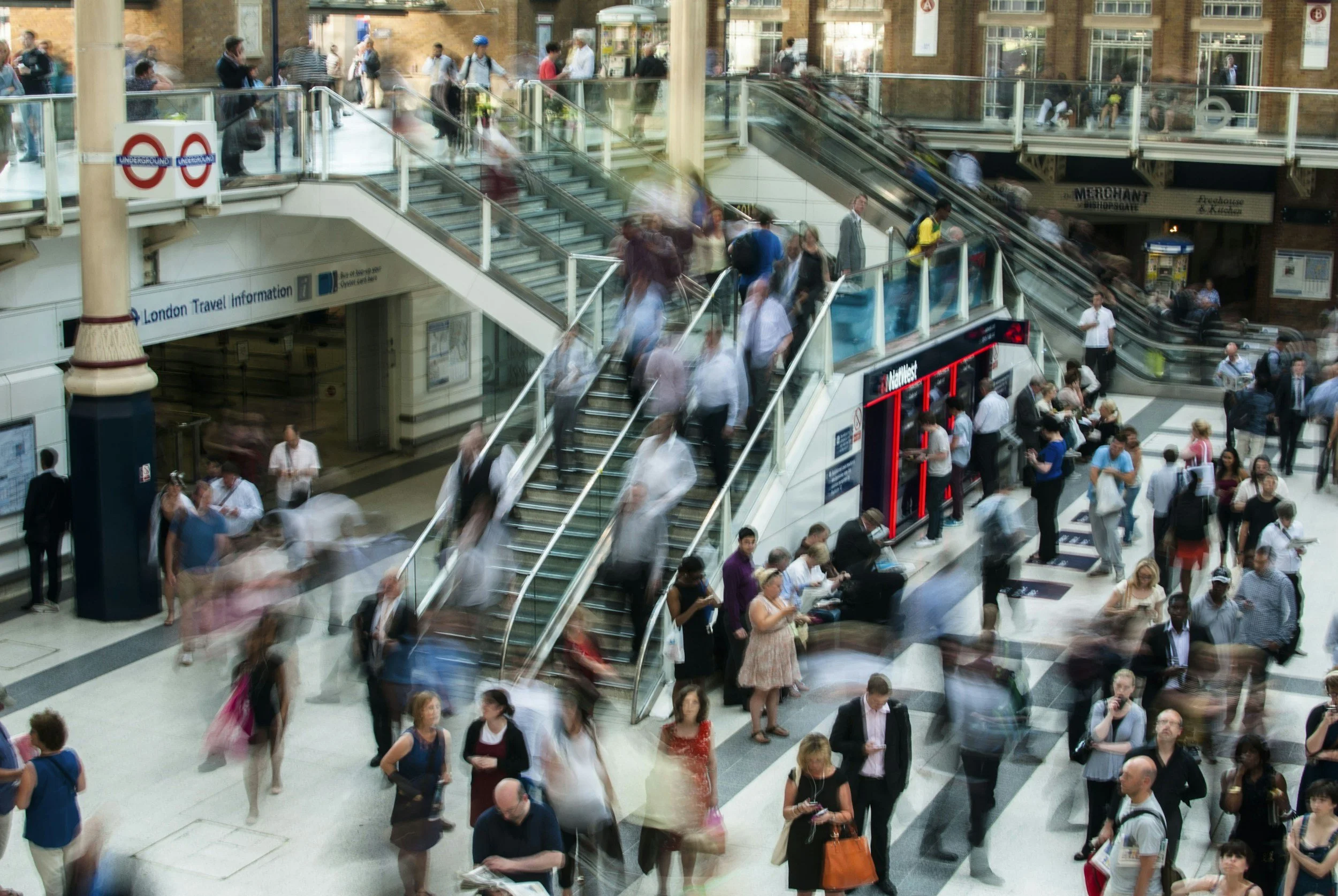
Lately, I keep noticing the same thing in conversations with leaders, friends, coworkers, and, honestly, everyone. People are tired in a way that sleep is not fixing. Not just physically tired. Mentally crowded. Even on productive days, people still feel behind. Emails answered, meetings attended, work completed, and somehow there is still this lingering feeling of, “I should be doing more right now.”
At some point, “catching up” quietly became a lifestyle.
And I do not think it is because people suddenly became lazy, distracted, or bad at managing time. I believe modern life has become incredibly interruptive. Most people are moving through the day reacting. Reacting to messages, notifications, calendar reminders, Slack pings, breaking news, group chats, last-minute meetings, and the endless stream of “quick questions” that somehow never feel quick.
Individually, none of it feels that serious. Collectively, it is exhausting.
Researcher Sophie Leroy studied something called “attention residue,” which found that when people rapidly switch between tasks, part of the brain stays mentally attached to the previous task, making it harder to fully focus on the next one. (Sophie Leroy’s Attention Residue Research) Because most people are no longer working in deep focus. They are bouncing. Constantly. Open the laptop. Answer the message. Join the meeting. Reply to text. Back to the document. Random notification. Forgot what you were doing originally.
It is not even the amount of work that feels heavy sometimes. It is the nonstop switching.
According to researchers at the University of California, Irvine, the average worker gets interrupted about every three minutes, and it can take over 20 minutes to fully refocus afterward. (UC Irvine Study on Workplace Interruptions ) AI and technology are making this tension even more obvious. Everything is faster now, which means expectations are faster too. Faster replies. Faster decisions. Faster output. Somewhere along the way, being constantly reachable started to feel like proof that you were doing a good job.
Being reachable and being effective are not always the same thing. Some people have not truly disconnected from work in years. They check messages at stoplights, during dinner, while watching TV, first thing in the morning, and last thing before bed. Not necessarily because somebody demanded it, but because the brain has adapted to expecting constant incoming information. That kind of mental pace changes people.
This is potentially why so many high-performing people still feel behind all the time. The brain rarely gets to fully finish one thing before being pulled into the next. There is always another tab open. Another notification is coming. Another thing to respond to. Maybe the real leadership challenge right now is not learning how to move faster.
Maybe it is learning how to think clearly in a world that never stops moving.
by Karen Hemphill
